Jinjya Guide Home

Category

Cultural History

23 articles

Built on Broken Ground: The Sacred Geography of Japan's Shrines and What It Reveals About Collective Healing

Built on Broken Ground: The Sacred Geography of Japan's Shrines and What It Reveals About Collective Healing

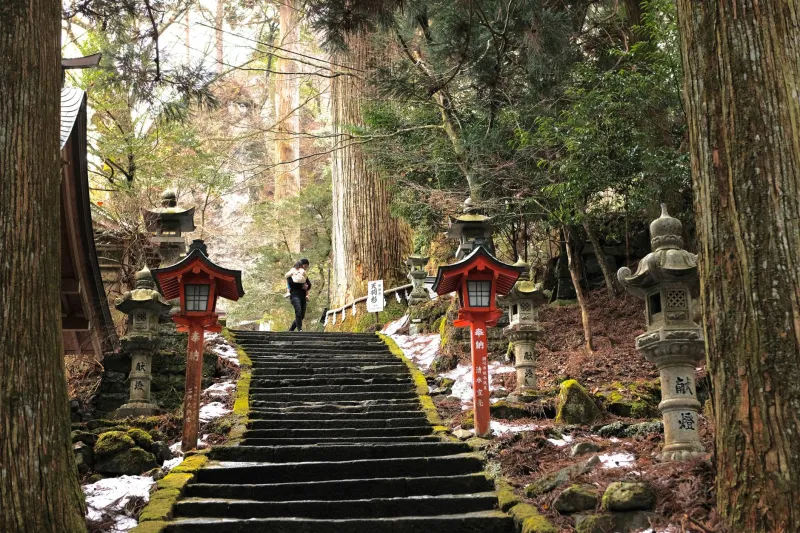
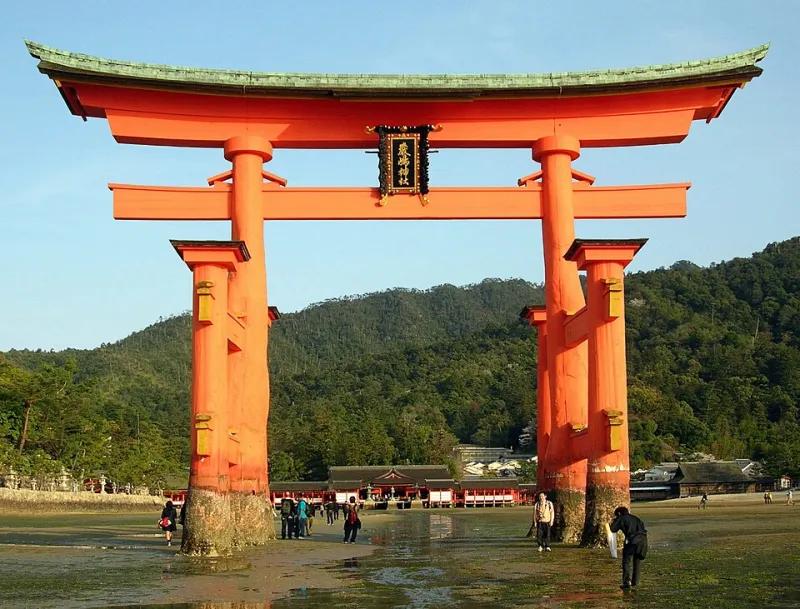
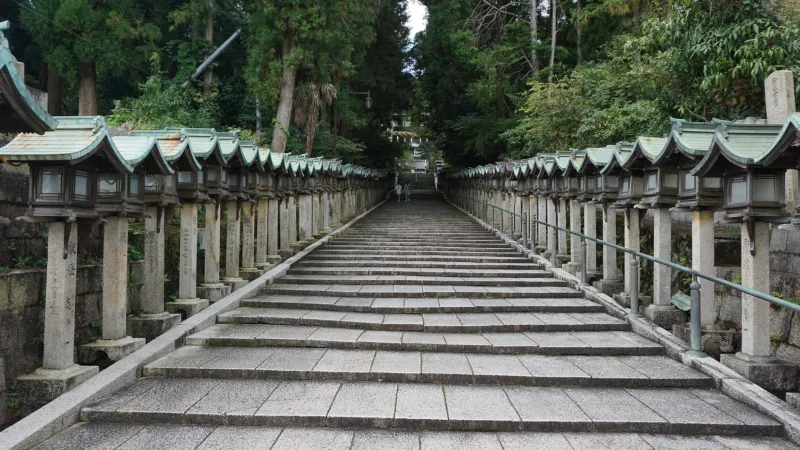
Some of Japan's most spiritually significant shrines stand on ground that most cultures would have abandoned—sites of battlefield carnage, catastrophic earthquakes, and restless, unquiet spirits. Far from avoiding these locations, Shinto tradition actively seeks them out, transforming sites of suffering into centers of meaning through the act of enshrinement. For American visitors accustomed to memorializing tragedy in secular terms, this practice offers a profoundly different framework for unde
How Shinto Priests Have Avoided Burnout for Centuries: The Ancient Protocols Behind Sustainable Sacred Work

How Shinto Priests Have Avoided Burnout for Centuries: The Ancient Protocols Behind Sustainable Sacred Work

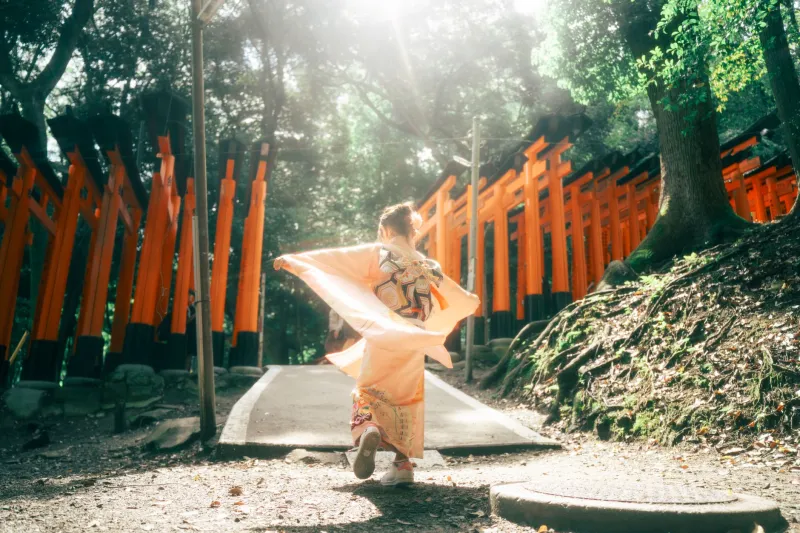
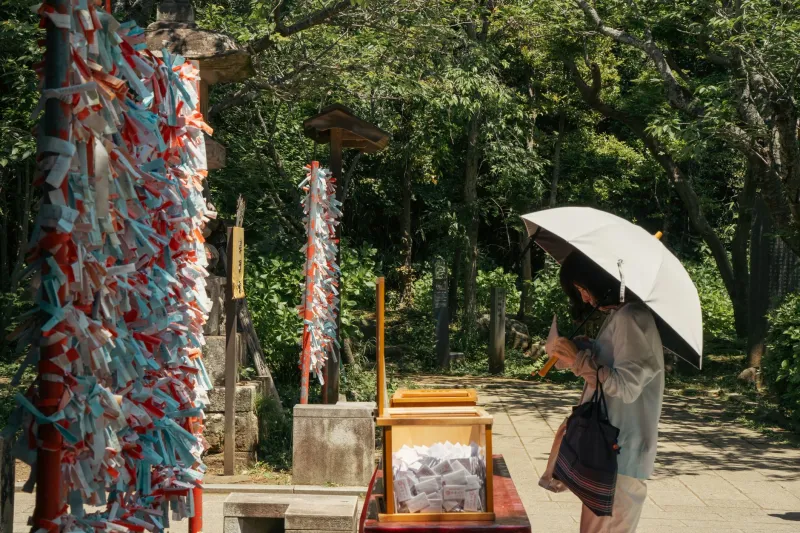
Long before wellness apps and four-day workweeks entered the American conversation, Shinto priests had already solved the problem of sustainable work through centuries-old protocols of ritual rest, seasonal rhythm, and structured delegation. Understanding how Japan's shrine clergy operate reveals a fundamentally different relationship between discipline and renewal—one that American professionals may find both challenging and illuminating.

A Year Inside the Sacred: What Americans Discover When They Train as Shrine Priests and Miko

A Year Inside the Sacred: What Americans Discover When They Train as Shrine Priests and Miko

A small but growing number of Americans are committing to formal, year-long apprenticeships at Japanese Shinto shrines, learning the duties of priesthood and the discipline of sacred service. These immersive programs demand far more than curiosity—they require a willingness to subordinate individual identity to communal ritual and institutional purpose. What these seekers find on the other side of that commitment is reshaping how they understand work, vocation, and the meaning of a life well spe

The Sacred Art of Refusal: How Shinto Priests Model the Boundaries American Professionals Desperately Need

The Sacred Art of Refusal: How Shinto Priests Model the Boundaries American Professionals Desperately Need

Japan's Shinto priests have long practiced a discipline that most American professionals have never encountered: the intentional, spiritually grounded refusal. By examining how shrine protocols and seasonal rhythms govern what priests will and will not do—and when—American workers caught in an always-on culture may find an unexpected blueprint for reclaiming purpose and rest.

Ancient Calm in a Modern Crisis: How Japan's Shinto Shrines Are Offering Real Relief to Burned-Out Americans

Ancient Calm in a Modern Crisis: How Japan's Shinto Shrines Are Offering Real Relief to Burned-Out Americans

Across Japan, Shinto shrines are quietly functioning as something far more than tourist destinations—they are emerging as intentional sanctuaries for Americans grappling with anxiety, professional exhaustion, and the relentless pace of modern life. Drawing on centuries of sacred design, neurobiological research, and the testimony of priests and travelers alike, this guide explores how a mindful shrine visit can serve as one of the most effective—and underutilized—tools for psychological restorat

The Quiet Discipline of the Shrine Priest: What American Professionals Are Learning From Japan's Most Purposeful Workers

The Quiet Discipline of the Shrine Priest: What American Professionals Are Learning From Japan's Most Purposeful Workers

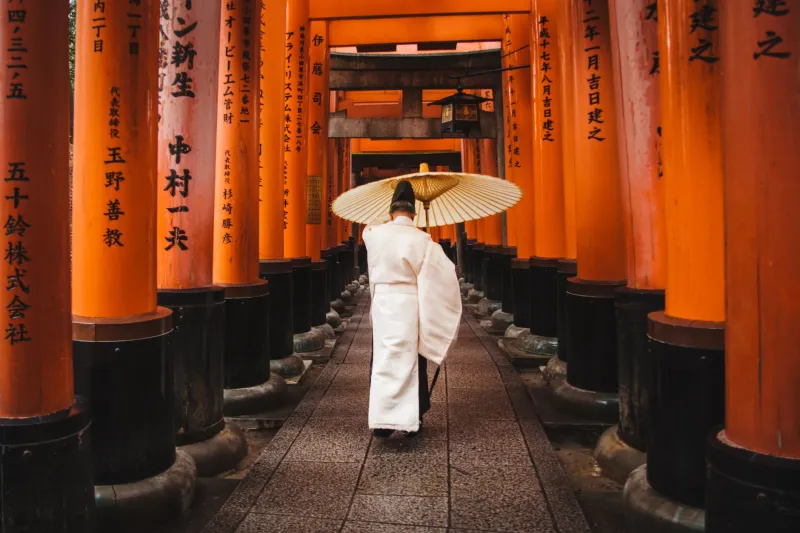
Inside Japan's Shinto shrines, priests follow structured daily routines built around ritual, stillness, and intentional action — a way of working that stands in sharp contrast to the relentless pace of American professional culture. Increasingly, US visitors who witness these practices firsthand are returning home with something more valuable than photographs: a reoriented relationship with work itself.

The Kami in the Ordinary: How Shinto Priests Are Helping Americans Discover the Sacred in Daily Life

The Kami in the Ordinary: How Shinto Priests Are Helping Americans Discover the Sacred in Daily Life

Shinto's ancient animistic worldview holds that spiritual essence—kami—dwells not only in grand mountain peaks and ancient shrines, but in the quiet rustle of leaves, the weight of a well-used tool, and the stillness before dawn. Japanese priests and American practitioners are now exploring how this profoundly accessible philosophy can be translated into Western daily life, offering a framework for spiritual awareness that requires no pilgrimage, only attention.

Sacred Space, American Home: How Shinto Principles Are Guiding a New Generation of Personal Altar Builders

Sacred Space, American Home: How Shinto Principles Are Guiding a New Generation of Personal Altar Builders

Across the United States, a quiet movement is taking shape in living rooms, dedicated corners, and spare bedrooms: the construction of personal altar spaces rooted in the spiritual architecture of Japanese Shinto shrines. Far beyond aesthetic imitation, these practitioners are studying the functional logic of jinja design—material selection, spatial orientation, and daily ritual—to build home practices that carry genuine meaning. This piece examines what Shinto tradition actually teaches about s

When the Torii Falls Silent: The Quiet Crisis of Shrine Closures Across Japan

When the Torii Falls Silent: The Quiet Crisis of Shrine Closures Across Japan

Across rural Japan, centuries-old Shinto shrines are closing their gates for the final time as aging populations, dwindling finances, and a shortage of trained priests push sacred communities to the breaking point. What is lost when a jinja goes quiet—and can cultural tourism help reverse the tide before it is too late?

Sacred Ground Under Pressure: How Japan's Shrines Are Managing the Tourism Surge Without Sacrificing Spiritual Integrity

Sacred Ground Under Pressure: How Japan's Shrines Are Managing the Tourism Surge Without Sacrificing Spiritual Integrity

As international visitor numbers at Japan's most celebrated Shinto shrines reach record levels, the priests and administrators entrusted with their care face a profound question: how do you welcome the world without diluting the sacred? From timed entry systems to digital crowd-mapping tools, a quiet revolution in shrine management is underway—one that reveals as much about Shinto's values as it does about the pressures of modern tourism.

Crossing the Threshold Digitally: How Shinto Priests Are Guiding American Students Toward Sacred Stillness From Afar

Crossing the Threshold Digitally: How Shinto Priests Are Guiding American Students Toward Sacred Stillness From Afar

A quiet revolution is unfolding in American living rooms, where Japanese Shinto priests are transmitting centuries-old contemplative practices through screens and virtual ceremonies. This emerging phenomenon raises profound questions about how sacred traditions travel across cultures and what authenticity means in a digitally connected age. Jinjya Guide examines the practitioners, the students, and the delicate balance between preservation and adaptation.

Beyond Belief: How Shinto's Concept of Kami Is Quietly Transforming American Spiritual Life

Beyond Belief: How Shinto's Concept of Kami Is Quietly Transforming American Spiritual Life

Across the United States, a growing number of seekers are turning to Shinto's animistic worldview—not as a religion to adopt, but as a lens through which to reimagine their relationship with nature, mindfulness, and meaning. The ancient Japanese concept of kami, the spiritual essence said to inhabit all living things, is finding unexpected resonance far from the torii gates of Japan.

Before the Gates Open: Inside the Private Rituals That Power Japan's Shinto Shrines

Before the Gates Open: Inside the Private Rituals That Power Japan's Shinto Shrines

Long before the first visitor steps beneath a torii gate, shrine priests have already completed hours of sacred preparation that most tourists will never witness. From pre-dawn purification rites to the careful presentation of offerings before a deity's altar, these hidden ceremonies form the true spiritual backbone of Japan's Shinto tradition. This article draws back the curtain on the devotional work that unfolds behind closed doors at Japan's most revered sacred sites.

Rooted in the Sacred: How Japan's Shrine Gardens Encode Spiritual Meaning Into Every Leaf and Stone

Rooted in the Sacred: How Japan's Shrine Gardens Encode Spiritual Meaning Into Every Leaf and Stone

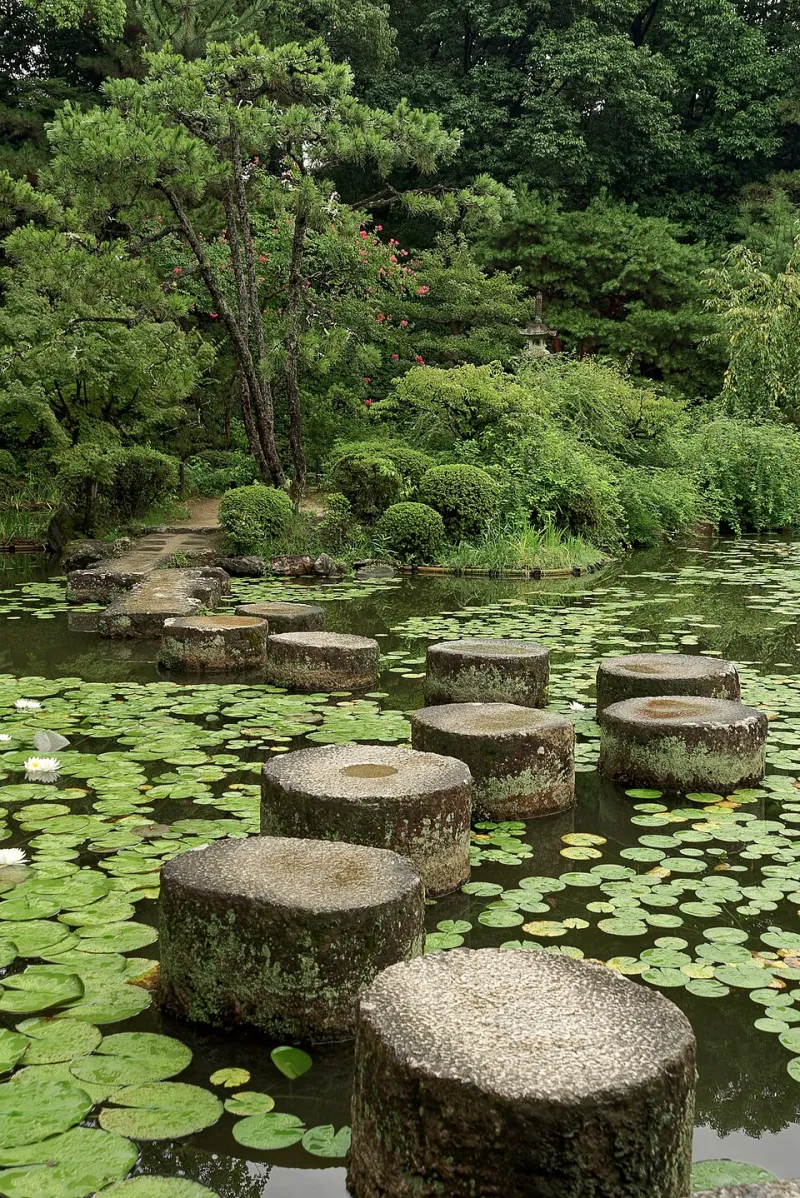
The gardens surrounding Japan's Shinto shrines are far more than decorative backdrops — they are carefully composed spiritual environments where every plant, stone, and moss arrangement carries deliberate meaning. Understanding the philosophy behind these sacred botanical spaces offers American homeowners and designers a profound new lens through which to reimagine their own outdoor environments. This exploration traces the ancient principles that have shaped shrine landscapes for centuries and

Bringing the Sacred Home: How American Travelers Are Translating Japanese Shrine Principles Into Their Own Spaces

Bringing the Sacred Home: How American Travelers Are Translating Japanese Shrine Principles Into Their Own Spaces

For many Americans returning from a visit to Japan's Shinto shrines, the tranquility experienced within those sacred grounds is difficult to leave behind. The principles that give shrine environments their distinctive calm—minimalism, natural materials, and intentional design—can be thoughtfully adapted for home spaces without diminishing the spiritual traditions they originate from. This guide explores how to draw inspiration from shrine aesthetics while honoring the cultural context that makes

Hands That Hold the Sacred: The Vanishing Crafts Keeping Japan's Shrines Standing

Hands That Hold the Sacred: The Vanishing Crafts Keeping Japan's Shrines Standing

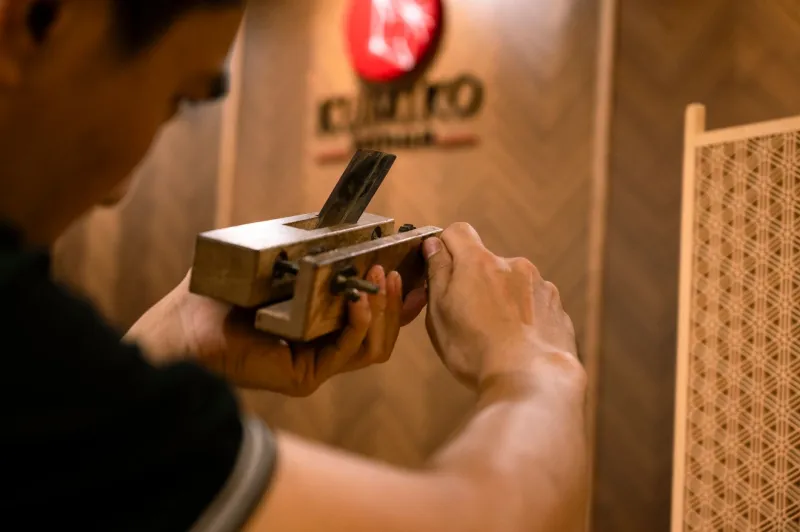
Behind every weathered torii gate and hand-lettered ema board stands a practitioner whose skills were inherited, not invented. This article draws back the curtain on the artisans, builders, and ritual specialists whose lifelong devotion quietly sustains the physical and spiritual fabric of Japan's most sacred spaces.

Guardians of the Sacred: The Devoted Lives of Those Who Keep Japan's Shrines Alive

Guardians of the Sacred: The Devoted Lives of Those Who Keep Japan's Shrines Alive

Behind every swept gravel path, freshly cut sakaki branch, and immaculately maintained torii gate stands a community of priests, craftspeople, and caretakers whose devotion rarely makes it into travel guides. Understanding the human infrastructure behind Japan's Shinto shrines transforms a casual visit into something far more meaningful. This is the story of the people who never stop working so that sacred spaces can endure.

The Hidden Architecture of Calm: How Shrine Landscapes Are Built to Restore the Human Mind

The Hidden Architecture of Calm: How Shrine Landscapes Are Built to Restore the Human Mind

Japanese shrine gardens are not accidental arrangements of nature—they are carefully engineered environments designed to quiet the mind and restore emotional equilibrium. From the deliberate placement of moss-covered stones to the sound of water channeled through bamboo spouts, every element carries philosophical intention. This guide unpacks the design principles behind these sacred landscapes and shows American visitors how to engage with them on a deeper level.

Walking Into the Sacred: How Japan's Ancient Pilgrimage Routes Are Transforming American Travelers

Walking Into the Sacred: How Japan's Ancient Pilgrimage Routes Are Transforming American Travelers

Across the misty mountain passes of Kumano and the cedar-lined paths leading to Ise, a growing number of American travelers are discovering that Japan's sacred pilgrimage routes offer something no itinerary can manufacture: genuine personal transformation. These multi-day journeys through Shinto and Buddhist sacred landscapes are redefining what meaningful travel looks like for visitors from the United States. This guide explores the cultural depth of Japan's pilgrimage traditions and offers pra

Small Towns, Sacred Grounds: How Shrine Tourism Is Breathing New Life Into Rural Japan

Small Towns, Sacred Grounds: How Shrine Tourism Is Breathing New Life Into Rural Japan

Across Japan's countryside, Shinto shrines are quietly becoming economic anchors for communities that once faced steep population decline. American and international visitors are now key players in this revival—but the story is far more nuanced than simple dollars and footfall. Understanding your role as a conscious traveler can make the difference between genuine cultural exchange and unintended harm.

Where Ancient Ritual Meets Modern Wellness: The Science Behind Shrine Visits

Where Ancient Ritual Meets Modern Wellness: The Science Behind Shrine Visits

Researchers and spiritual practitioners alike are uncovering compelling evidence that visits to Japan's Shinto shrines offer measurable benefits for mental health and stress reduction. For American travelers seeking more than sightseeing, the sacred grounds of a jinja may hold therapeutic potential rooted in both ancient tradition and modern neuroscience. This exploration examines what the data reveals—and how to make the most of your own shrine experience.

Reading the Sacred Language of Stone, Rope, and Gate: A Guide to Shinto Shrine Symbolism

Reading the Sacred Language of Stone, Rope, and Gate: A Guide to Shinto Shrine Symbolism

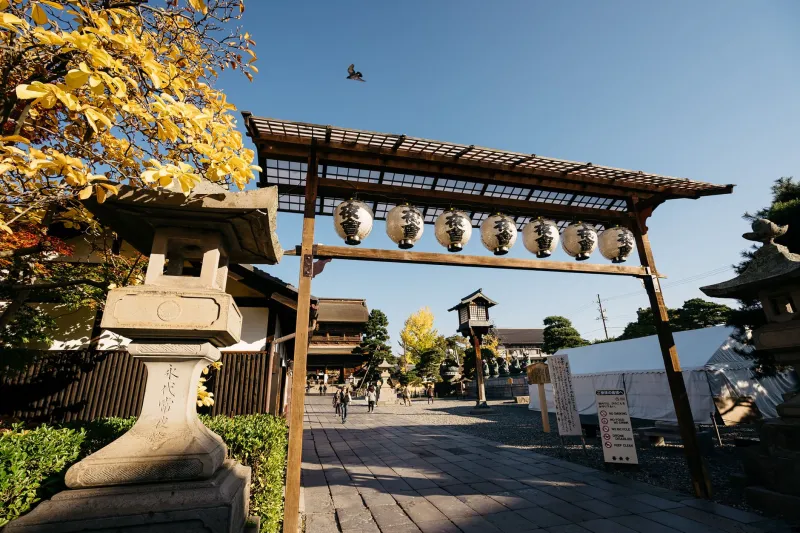
Every element of a Shinto shrine — from the towering gate at the entrance to the twisted rope draped above the inner sanctum — carries a specific spiritual meaning rooted in centuries of Japanese religious tradition. For the culturally curious traveler, learning to read these symbols transforms a shrine visit from a passive sightseeing experience into a genuine act of understanding.